If you are weighing Spanish Oaks against other West Austin enclaves, you are probably not choosing between good and bad. You are choosing between different definitions of luxury. Some buyers want maximum privacy and a club-centered routine, while others care more about being closer in, living in a more established neighborhood, or having a wider mix of homes and daily conveniences. This guide will help you compare the key tradeoffs so you can focus on the community that fits the way you actually want to live. Let’s dive in.
What Spanish Oaks Does Best
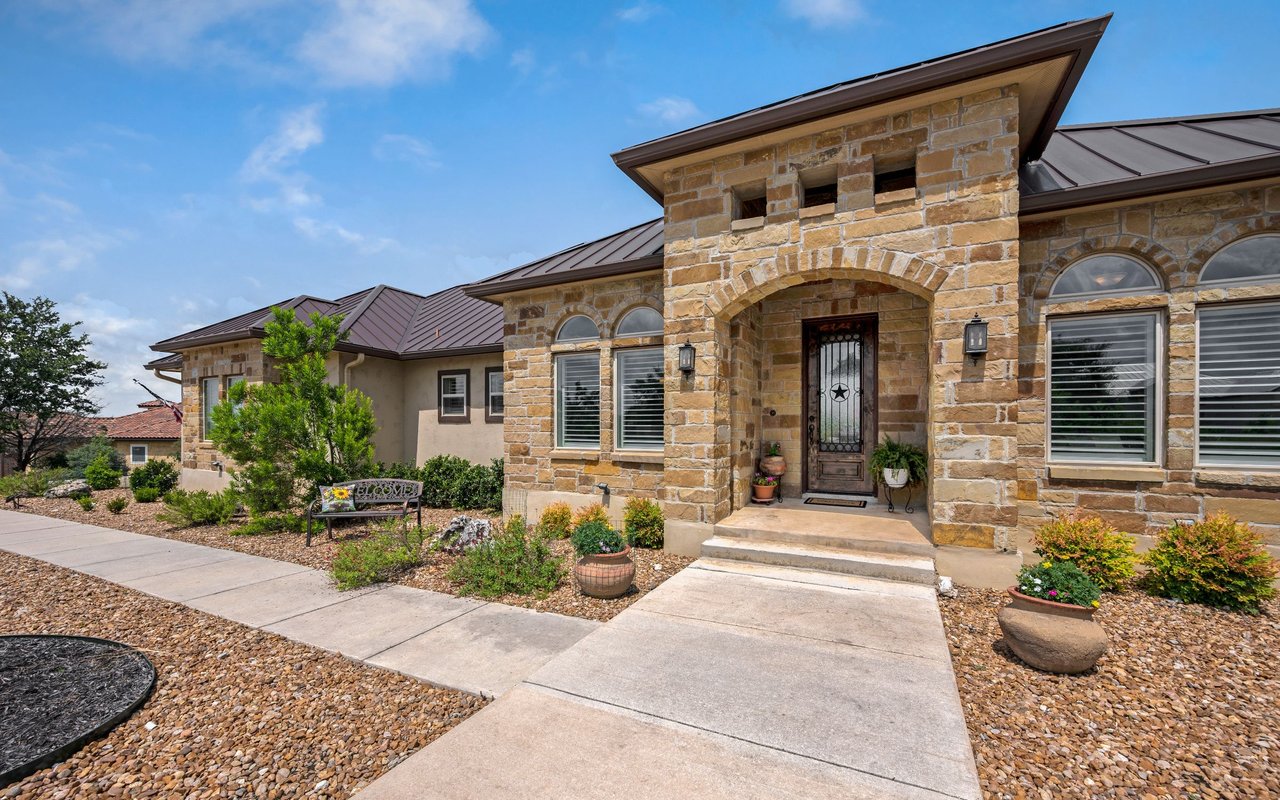
Spanish Oaks is built around a very specific lifestyle. According to the community’s official materials, it offers a low-density Hill Country setting with more than 350 completed residences, and homes typically range from 2,500 to more than 10,000 square feet.
That physical setup matters because it creates a very different feel from many other West Austin neighborhoods. Homesites are described as ranging from half an acre to more than four acres, which supports the estate-lot, custom-home experience many luxury buyers want. If you are looking for a neighborhood that feels private, spacious, and intentionally separated from busier parts of town, Spanish Oaks clearly leans in that direction.
Its location also supports that balance of privacy and access. The location overview places the community off Highway 71 near Bee Cave, about 20 minutes from downtown Austin and roughly 20 miles from Austin-Bergstrom International Airport. That means you are not in the middle of central-city activity, but you are also not cut off from major destinations.
Privacy and Security Tradeoffs
One of the biggest reasons buyers consider Spanish Oaks is the level of controlled privacy. The community highlights two 24-hour staffed gatehouses, guest verification, vendor check-ins, and roving security. In practical terms, that can create a strong sense of separation and consistency.
For some buyers, that is a major advantage. If you value a managed entry experience, lower-density planning, and a neighborhood designed to feel tucked away, Spanish Oaks may check boxes that few West Austin communities match.
The tradeoff is that this kind of environment can feel more structured. Older enclaves and less tightly controlled neighborhoods may feel more open and less managed in day-to-day life. Neither approach is better across the board, but it is worth deciding how much gate control and oversight you want before you fall in love with a home.
Club Lifestyle Matters Here
Spanish Oaks is not simply near a club. The club is a central part of the lifestyle story. The official community site highlights an 18-hole private golf course, practice facilities, clubhouse dining, and a full activities calendar, while noting that most residents choose club membership.
That distinction is important when you compare Spanish Oaks with other West Austin luxury areas. If you want your social life, recreation, and neighborhood identity to revolve around a private-club environment, Spanish Oaks may feel very aligned. If you prefer golf as an occasional amenity rather than a defining part of where you live, you may want to compare it carefully with communities that offer a different rhythm.
This is one of the biggest fit questions to answer on a tour. Ask yourself whether club access is a primary reason you would buy there, or just a nice extra. That answer can quickly narrow your shortlist.
Buildout and Home Style Considerations
Spanish Oaks also appeals to buyers who prefer newer custom construction or the chance to build in a luxury setting. The community describes each home as a one-of-a-kind custom expression and notes final-phase development areas such as The Hillside and The Village.
That can be a major plus if you want newer finishes, more current floor plans, or a custom build opportunity. In many luxury searches, buyers are trying to avoid taking on a large renovation in an older home. Spanish Oaks can be attractive for that reason alone.
The flip side is that it may not feel as fully mature as some older West Austin neighborhoods. If you strongly prefer a neighborhood with decades of established character and a more settled feel, this becomes an important comparison point.
Daily Convenience in Spanish Oaks
Spanish Oaks is private, but it is not isolated. The community location page points to Bee Cave and nearby retail destinations, including Hill Country Galleria and the Shops at the Galleria, as the main hubs for daily errands and dining.
The Bee Cave Chamber’s description of Hill Country Galleria notes that it includes more than 100 shops and restaurants. That gives residents nearby access to practical day-to-day services without needing to drive into central Austin for everything.
Still, the convenience pattern is suburban in form rather than traditionally walkable. Your errands are likely to revolve around destination retail centers, not a street grid where you stroll from coffee to dinner to services. For many buyers, that is totally fine. For others, it is a meaningful tradeoff.
How Barton Creek Compares
If your main priority is golf and high-end amenities, Barton Creek is one of the clearest comparison points. According to Omni Barton Creek, the resort and club platform includes four golf courses, restaurants, a spa, and pools, with course play limited to members and registered guests.
That creates a different type of luxury experience. Spanish Oaks tends to read as a single private neighborhood with a club at its core. Barton Creek, by contrast, feels more resort-oriented and broader in hospitality infrastructure.
For some buyers, that resort scale is exciting. For others, it can feel less intimate than a neighborhood where the club and residential identity are more tightly connected. If you want a more destination-style amenity package, Barton Creek may deserve a close look.
How Lost Creek Compares
Lost Creek offers a different type of appeal. The Lost Creek Limited District says the area includes about 1,200 homes in a master-planned community of custom homes that began in the 1970s, with a resident-run district overseeing maintenance, parks, and trails.
That usually appeals to buyers who want an established neighborhood environment. Compared with Spanish Oaks, Lost Creek may feel more settled and less centered on a private-club identity.
If you are drawn to neighborhood character, established homes, and a community structure that is resident-run rather than club-driven, Lost Creek may be a stronger fit. If you want a more managed luxury environment with privacy and club culture front and center, Spanish Oaks likely stands apart.
How Davenport Ranch and West Lake Hills Compare
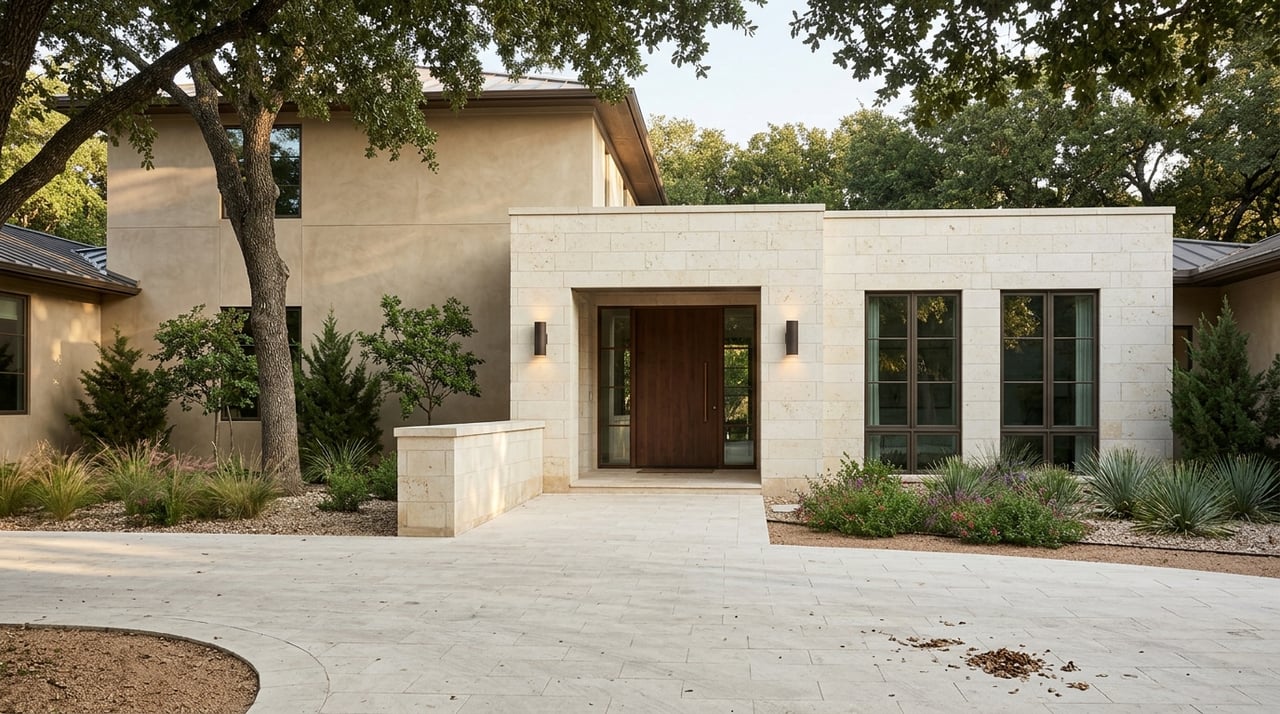
Davenport Ranch and nearby West Lake Hills shift the conversation toward proximity and variety. A Heritage Title neighborhood profile describes Davenport Ranch as a carefully developed lakeside master-planned community with a broad mix of luxury homes, distinct neighborhoods, large lots, and clustered homes that preserve natural features.
The same profile describes West Lake Hills as almost entirely residential with easy access to major employment centers and recreation. In simple terms, these areas often appeal to buyers who want a closer-in West Austin lifestyle and more housing variety, rather than a neighborhood defined primarily by privacy and a private-club structure.
That can mean a better fit for buyers whose routines are tied more closely to central Austin. It can also mean a more mixed day-to-day experience, with less of the singular identity that defines Spanish Oaks.
A Simple Decision Framework
If you are comparing Spanish Oaks with other West Austin enclaves, these questions can help clarify your next step:
- Do you want maximum privacy and managed access?
- Is club membership central to your ideal lifestyle, or just a bonus?
- Do you prefer newer custom construction or a neighborhood with more established character?
- Would you rather run most errands in Bee Cave retail centers or live closer to central Austin routines?
- Do you want a neighborhood with a single strong identity, or are you open to a more mixed setting?
Those answers often tell you more than square footage or price alone. In luxury real estate, fit matters just as much as features.
Touring Questions to Ask
As you visit Spanish Oaks and its alternatives, keep your tour focused on decision-making, not just impressions. Based on the current community materials, here are smart questions to ask:
- Is club membership a core reason to buy here?
- Which areas are fully built out, and which are still in final-phase development?
- How much of your weekly routine can be handled near Bee Cave?
- Do you want newer construction, or do you prefer the feel of an older enclave?
- How comfortable are you with gate controls, HOA oversight, and a more managed community environment?
These questions help you compare communities in a practical way. They also reduce the chance of choosing a neighborhood for the wrong reason.
The Bottom Line
Spanish Oaks is strongest for buyers who want a private, low-density Hill Country enclave with a strong club-centered identity and convenient access to Bee Cave retail. Barton Creek shifts more toward resort-scale amenities. Lost Creek leans more established and resident-run. Davenport Ranch and West Lake Hills often appeal to buyers who want a closer-in location and a broader range of home settings.
The right choice depends on how you define convenience, privacy, and daily lifestyle. If you want help comparing West Austin luxury communities through a practical, data-informed lens, Nicole Cooper can help you narrow the options and tour with a clearer strategy.
FAQs
What makes Spanish Oaks different from other West Austin luxury communities?
- Spanish Oaks stands out for its gated privacy, low-density estate-lot setting, and club-centered lifestyle built around golf, trails, and community amenities.
Is Spanish Oaks closer to Bee Cave or downtown Austin amenities?
- Spanish Oaks is near Bee Cave for day-to-day shopping and dining, while the community says downtown Austin is about 20 minutes away.
How does Barton Creek differ from Spanish Oaks for luxury buyers?
- Barton Creek emphasizes resort-scale golf and spa amenities, while Spanish Oaks feels more like a private residential enclave with a club at its core.
Why might a buyer choose Lost Creek over Spanish Oaks?
- A buyer may prefer Lost Creek if they want an older, more established neighborhood with resident-run community oversight instead of a club-driven lifestyle setting.
Are Davenport Ranch and West Lake Hills similar to Spanish Oaks?
- They overlap in luxury appeal, but they generally offer a closer-in location, more housing variety, and a less singular focus on gated privacy and club identity.