Is Cedar Park Real Estate Right for You?
Cedar Park is one of those Austin-area communities that makes a lot more sense once you stop thinking about it as simply a “suburb.”
Yes, it sits just north of Austin. Yes, you can typically get more house and more land here than you can in many central Austin neighborhoods.
But Cedar Park has developed into its own community with major parks, restaurants, shopping, employers, sports, entertainment and increasingly interesting development.
The real question isn't whether Cedar Park is a good place to live.
It's whether the Cedar Park lifestyle fits the way you actually want to live.
And that answer depends heavily on where you work, how much space you want, your budget and how often you really need to be in Central Austin.
Let's break it down.
Where Is Cedar Park?
Cedar Park sits directly northwest of Austin, primarily in Williamson County. The City describes it as being approximately 17 miles from downtown Austin, although your actual drive time can vary dramatically depending on traffic and exactly where you're starting.
That's the first thing I tell buyers:
Don't choose Cedar Park based on mileage. Choose it based on your actual daily drive.
Living here can be extremely convenient if your life revolves around Northwest Austin, North Austin, the Domain, Round Rock or the growing employment centers along the 183 corridor.
If you're driving into downtown Austin five days a week during rush hour, that's a very different lifestyle decision.
What Does It Feel Like to Live in Cedar Park?
Cedar Park is a good fit for buyers who want space, convenience and an established suburban community without feeling completely disconnected from Austin.
You're going to find:
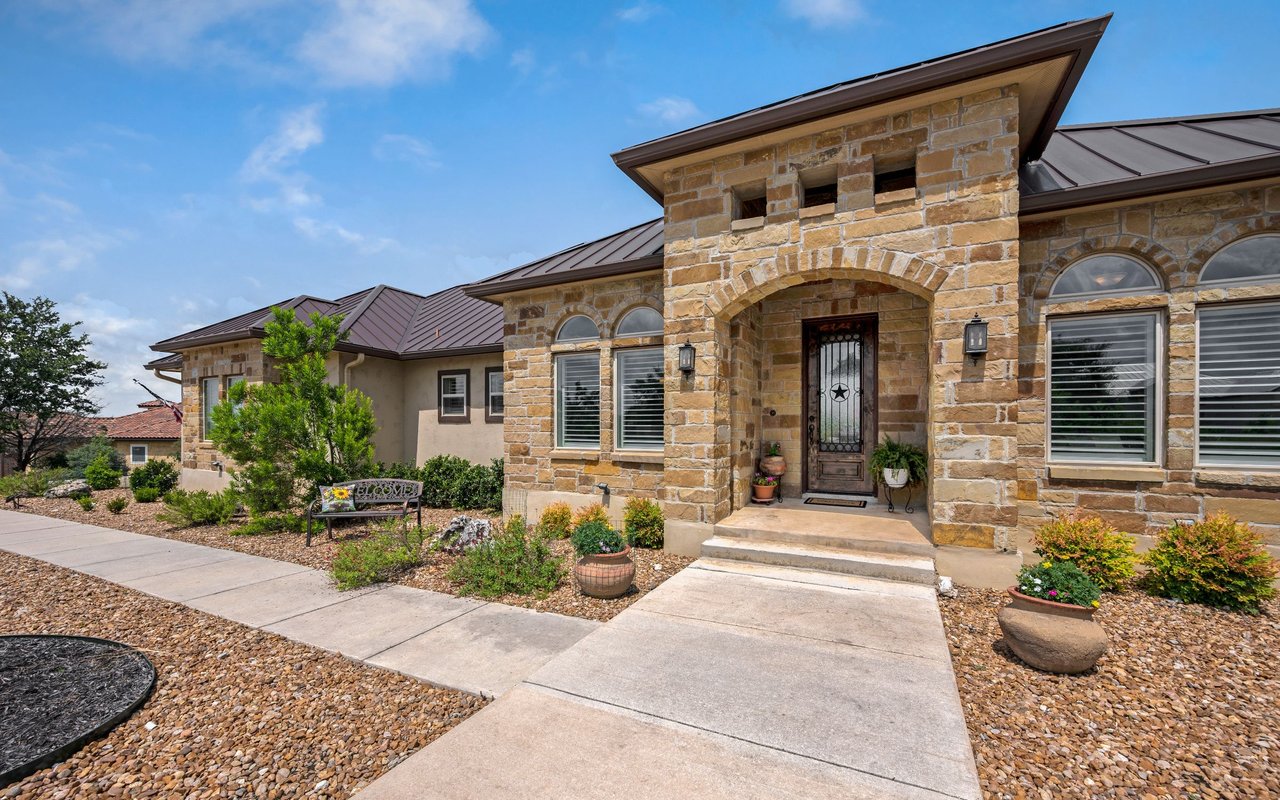
- Bigger homes and yards than many central Austin neighborhoods
- Established neighborhoods with mature trees
- Newer master-planned communities
- Parks and trails
- Retail and restaurants everywhere
- Youth sports and recreational facilities
- Easy access to North and Northwest Austin
- A much more suburban feel than Central Austin
This isn't the neighborhood where you're walking out your front door and strolling to five cocktail bars.
But that's not why most people move here.
You're generally trading some walkability and central-city energy for space, practicality and value.
And for the right buyer, that's a very good trade.
Parks and Outdoor Lifestyle
This is one of Cedar Park's strongest selling points.
The City maintains more than 1,000 acres of parkland and more than 40 parks, along with extensive recreational facilities.
And there are some legitimately good ones.
Brushy Creek Lake Park
Brushy Creek Lake Park covers approximately 90 acres and gives residents access to trails, water and outdoor recreation.
The larger Brushy Creek trail system is one of the biggest lifestyle benefits of this entire part of the Austin metro.
Lakeline Park
Lakeline Park includes a great lawn, performance pavilion, playgrounds, fishing pier, kayak launch and other recreational spaces.
Bell Park
Bell Park is another newer addition, with approximately 15 acres of natural areas, play spaces, trails, fishing and public art.
If being outside is part of your normal life — biking, walking, running, kids' sports or simply having somewhere nearby to escape the house — Cedar Park does this very well.
The Bell District Is Changing Cedar Park
This is one of the developments buyers should be watching.
The 54-acre Bell District is being developed as a walkable, mixed-use destination centered around Bell Park and Cedar Park's new public library.
The new 47,000-square-foot Cedar Park Public Library opened in November 2024 and serves as one of the anchors of the district.
Why does that matter for real estate?
Because one of Cedar Park's weaknesses historically has been the lack of a true central gathering place.
The Bell District is an attempt to change that.
It won't suddenly turn Cedar Park into South Congress.
Nor should it.
But creating more restaurants, gathering spaces, trails, parks and walkable mixed-use development gives Cedar Park another layer beyond traditional suburban retail.
That's something I'd pay attention to if you're thinking about owning here for a long time.
Schools in Cedar Park
Much of Cedar Park is served by Leander ISD, which is one of the reasons many buyers initially put the area on their list.
But here's my standard warning:
Never buy a house based solely on the name of the city or neighborhood when schools matter to you.
School attendance zones can vary from street to street and can change as the area grows.
Always verify the exact school assignments directly with the school district before purchasing.
And even then, buy the house because the entire lifestyle and property work for you — not because you're betting everything on one school boundary staying exactly the same forever.
Restaurants, Shopping and Entertainment
Cedar Park is extremely easy from a day-to-day convenience standpoint.
There is plenty of shopping, grocery, dining and services around the 183 corridor, Lakeline and Whitestone Boulevard.
You also have the H-E-B Center at Cedar Park, home to the Texas Stars hockey team and Austin Spurs basketball team, plus concerts and other events. The arena hosts more than 130 events annually, according to the City.
So no, you're not living downtown.
But you also aren't driving 30 minutes every time you need groceries, dinner or something to do.
That's a big distinction.
Cedar Park Is Also Becoming an Employment Center
Cedar Park isn't simply a bedroom community anymore.
The City increasingly positions itself as a technology and employment hub within the Austin metro, with companies and regional headquarters operating in the area.
That's another reason I wouldn't automatically judge Cedar Park based on its distance from downtown.
For someone working in North Austin or Northwest Austin, Cedar Park may actually make significantly more sense than living closer to downtown.
Your commute is about where you go every day — not where Austin City Hall is located.
Pros of Living in Cedar Park
✅ More House for the Money
Compared with many desirable Central Austin neighborhoods, your housing dollar generally stretches much farther.
✅ Strong Parks and Recreation
Cedar Park takes outdoor spaces seriously, with major parks, trails and recreational amenities throughout the community.
✅ Established Community
You're not moving into a subdivision surrounded by empty fields and hoping restaurants arrive someday.
Cedar Park already functions as a mature city.
✅ Convenient for North Austin
If your work and lifestyle center around Northwest Austin, North Austin or the 183 corridor, the location can be excellent.
✅ Variety of Housing
There are entry-level homes, established neighborhoods, larger move-up properties and more upscale communities.
Cons of Living in Cedar Park
Now let's talk about the things the brochure won't tell you.
❌ Traffic
Austin traffic is Austin traffic.
A commute that looks completely reasonable at 11:00 a.m. may feel very different at 5:15 p.m.
Test the commute during the hours you will actually drive it.
❌ It Is Suburban
If your dream Austin life involves walking to coffee, restaurants, bars and live music every weekend, Cedar Park probably isn't your best fit.
❌ Some Housing Stock Is Aging
A lot of Cedar Park's growth happened decades ago.
That means buyers need to look beyond granite countertops and pay attention to roofs, HVAC systems, windows, foundations, drainage and other major-ticket components.
❌ Property Taxes Matter
Never compare homes based only on purchase price.
Your actual monthly housing cost needs to include the specific property's taxes, insurance, HOA dues and financing.
Those numbers can materially change which house is truly affordable.
Who Is Cedar Park Best For?
I think Cedar Park makes the most sense for someone who says:
“I want Austin access, but I don't need to live in the middle of Austin.”
It's particularly compelling for buyers who prioritize:
- More square footage
- A yard
- Parks and trails
- Established neighborhoods
- Northwest or North Austin access
- Everyday convenience
- A more suburban lifestyle
- More home for the budget
It becomes less compelling if your lifestyle revolves around downtown, South Congress, Zilker, East Austin or Central Austin several nights a week.
That's not a knock on Cedar Park.
It's just a different lifestyle.
A Day in the Life in Cedar Park
Picture this.
You wake up in a four-bedroom house with an actual backyard.
You take the dog out on the Brushy Creek trails or head to one of Cedar Park's parks.
Coffee doesn't require circling the block for parking.
Your commute is north instead of downtown.
After work, you grab dinner nearby, catch a Texas Stars game at the H-E-B Center or head home without feeling like every basic errand requires a strategy meeting.
On the weekend, you're still close enough to Austin when you want Austin.
But you don't necessarily have to deal with Austin every day.
That's the Cedar Park proposition.
So, Is Cedar Park Real Estate Right for You?
Maybe.
I know. Great real estate answer.
But here's the truth:
There isn't one “best” place to live in Austin.
There is only the place that best matches your lifestyle, your commute, your budget and what you want your normal Tuesday to look like.
Cedar Park can offer considerably more space and practicality than Central Austin while keeping you connected to the larger Austin metro.
For the right person, that combination is hard to beat.
For someone who wants the true urban Austin experience, I'd probably take you somewhere else.
Find the lifestyle first. Then find the house.
I'm Nicole Cooper, Broker and Founder of NBC Realty. I've been helping buyers and sellers navigate Austin and the surrounding communities for more than 15 years.
Whether you're relocating to Austin or simply trying to figure out which part of the city actually fits you, I believe in giving you the whole truth — the good, the bad and the things you won't figure out from Zillow.
Because buying the right house starts with choosing the right lifestyle.